Widening Wealth Gap Drives a Remarkable Rise in American Food Insecurity
New York, Thursday, 28 May 2026.
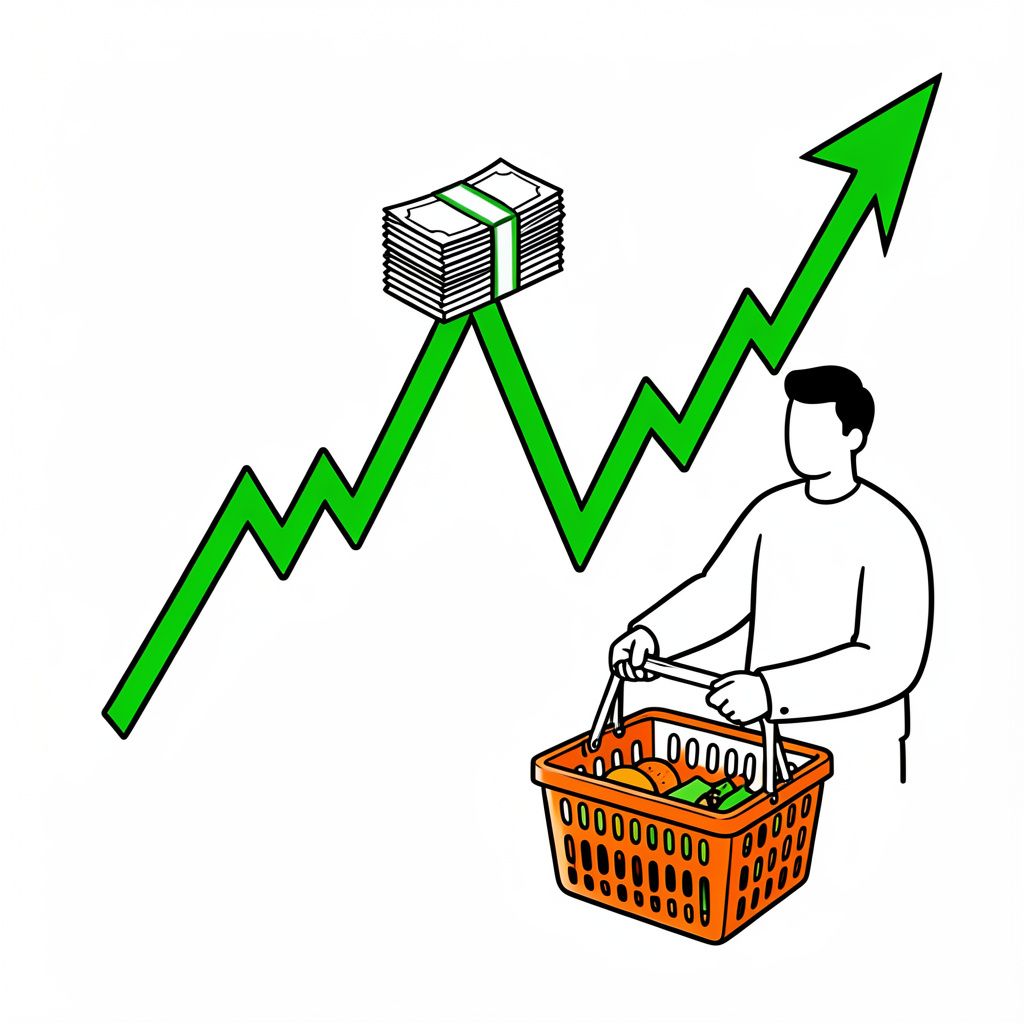
A New York Fed report reveals a widening economic divide is fueling severe food insecurity, leaving 66% of consumers living paycheck to paycheck despite broader economic growth.
The Mechanics of a K-Shaped Divergence
The pandemic-era economy fundamentally restructured wealth distribution in the United States, cementing a “K-shaped” divergence that continues to dictate consumer realities in May 2026. [1] At the top of this economic trajectory, high-earning asset owners have experienced growing net wealth, heavily bolstered by rallying stock market prices and surging home equity. [1][2] Furthermore, many of these higher-income Americans successfully reduced their housing overhead by locking in lower mortgage payments during the refinance boom of 2020 to 2021. [2]
A Remarkable Rise in Nutritional Hardship
This economic polarization has manifested most severely at the dinner table. The New York Fed researchers explicitly identified a “remarkable increase in food insecurity,” noting that the crisis is particularly acute among lower-income households, individuals with lower educational attainment, and families raising young children. [2] This recent escalation builds upon troubling baseline data from a U.S. Department of Agriculture report, which found that nearly 14% of American households were already experiencing food insecurity in 2024. [1] That baseline vulnerability was further exacerbated by the expiration of pandemic-era financial aid and the implementation of stricter work requirements for the Supplemental Nutrition Assistance Program (SNAP). [1]