Trump Weighs Military Options After Nuclear Talks with Iran Stall
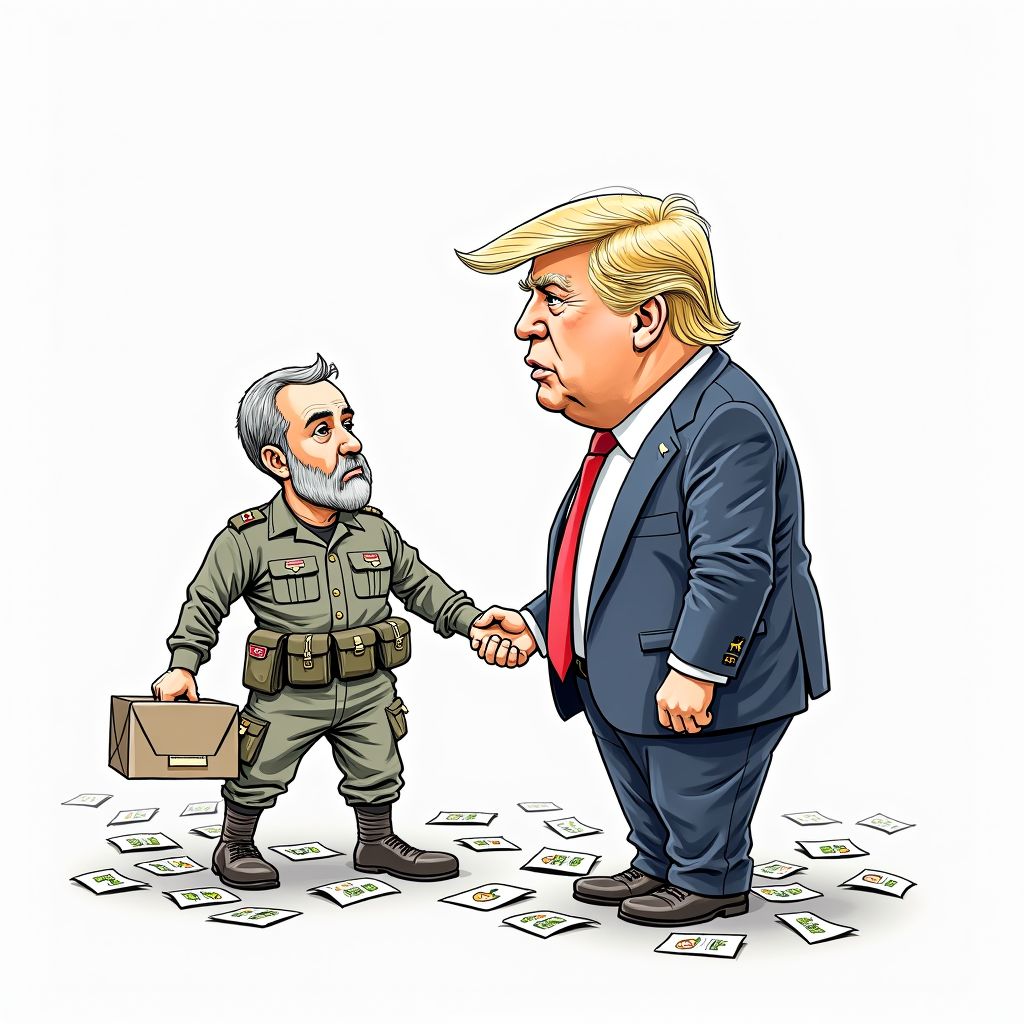
Washington D.C., Saturday, 28 February 2026.
With nuclear talks stalled, President Trump faces a critical decision on military action, prompting the U.S. Ambassador to Israel to urge embassy staff to depart the country immediately.
Escalation Following Lebanon Drawdown
This development follows closely on the heels of the State Department’s decision to reduce its diplomatic presence in Lebanon due to imminent threats, a situation previously detailed in our report, “US Reduces Diplomatic Presence in Lebanon as Iran Tensions Escalate.” While that strategic drawdown signaled rising regional instability, the focus has now shifted sharply toward direct confrontation as negotiations stall. On Friday, February 27, President Donald Trump explicitly addressed the prospect of conflict, stating that while he would “love not to” use the U.S. military against Iran, “sometimes you have to” [1]. Expressing frustration with the pace of diplomacy, the President noted he is “not happy” with Tehran’s refusal to concede to American demands regarding its nuclear program [3][4].
Diplomatic Channels Strain as Talks Falter
The heightened rhetoric follows the collapse of nuclear talks in Geneva, which broke up on Thursday, February 26, without a deal [2]. Despite the impasse, diplomatic efforts have not been entirely abandoned. On Friday, Omani Foreign Minister Badr al-Busaidi—acting as a key mediator—met with U.S. Vice President JD Vance in Washington, D.C. [1][4]. Following the meeting, the Omani government emphasized that a “just and enduring agreement” remains the objective, with al-Busaidi suggesting that peace is still “within our reach” [1]. Furthermore, President Trump indicated he is willing to give negotiators more time to avert a war, though he reiterated that Iran “cannot have nuclear weapons” [1][3]. Looking ahead, Secretary of State Marco Rubio is scheduled to visit Israel on Monday, March 2, and Tuesday, March 3, to discuss these regional priorities with Prime Minister Benjamin Netanyahu [1][4].
Urgent Security Warnings and Military Mobilization
Reflecting the severity of the situation, the U.S. Embassy in Jerusalem authorized the departure of non-emergency government personnel and their families on Friday due to safety risks [1][4]. U.S. Ambassador to Israel Mike Huckabee issued a stark warning to staff, advising that those wishing to leave should “do so TODAY” while commercial options remain available [2][4]. Concurrently, major carriers such as KLM have announced plans to suspend flights out of Tel Aviv [4][6]. This diplomatic exodus coincides with a significant projection of American military power; the USS Gerald Ford arrived off the coast of Israel on Friday, February 26 [1], and reports indicate a second aircraft carrier is entering the region as part of a continued military build-up [7].
Global Repercussions
The instability has triggered a cascade of international precautions. On Friday, the United Kingdom withdrew its embassy staff from Tehran and advised against all non-essential travel to Israel [2]. Similarly, China and India have urged their citizens to leave Iran immediately, citing the deteriorating security environment [2][6]. The United Nations’ nuclear watchdog reported on Friday that it has been refused access to uranium enrichment sites, further complicating the verification of Iran’s nuclear activities [2]. While technical-level discussions are tentatively planned for next week in Vienna, the convergence of military assets and diplomatic withdrawals suggests global powers are bracing for potential volatility [2].
Sources
- www.cnbc.com
- www.bbc.com
- www.ctvnews.ca
- www.pbs.org
- www.washingtonpost.com
- ici.radio-canada.ca
- www.instagram.com