How Kylian Mbappé’s Comments Put European Soccer at Risk in China
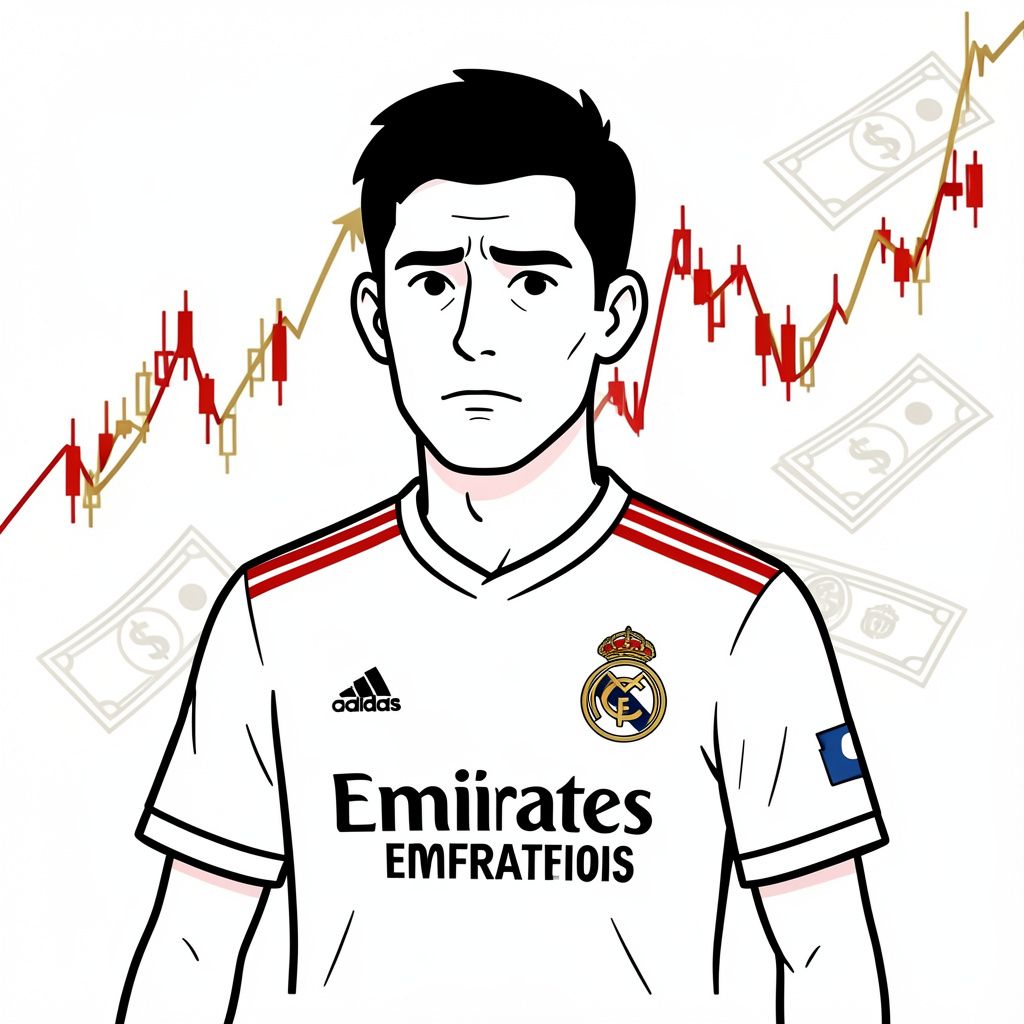
Madrid, Saturday, 7 November 2026.
Kylian Mbappé’s remarks about Mao Zedong triggered broadcast blackouts and corporate boycotts across China, threatening tens of millions in European soccer media rights despite formal apologies from Real Madrid.
The Incident That Triggered a Geopolitical Storm
On October 27, 2026, Real Madrid striker Kylian Mbappé appeared on the French podcast The Bridge, where he reacted to a viral internet meme superimposing his face onto an image of Mao Zedong. In the segment, Mbappé described the figure as ‘some guy, I think he’s a Chinese dictator,’ a comment that would soon ignite a firestorm in China’s tightly controlled public discourse [5][6][7]. The remarks, though not explicitly naming Mao Zedong, were widely interpreted as a dismissal of a figure revered by many in China as the founding father of the People’s Republic. Within hours, Chinese state media and social platforms amplified the backlash, framing Mbappé’s comments as an affront to national pride and historical memory [1][5][6].
China’s Swift and Coordinated Response
Beijing’s response was immediate and multi-pronged. State broadcaster China Central Television (CCTV) suspended its live coverage of LaLiga matches, while digital platform Migu, a subsidiary of China Media Group, removed Real Madrid fixtures from its streaming services. The move effectively erased one of Europe’s most popular soccer leagues from mainstream Chinese media, depriving LaLiga of its primary revenue stream in the world’s second-largest economy [1][5][7]. Corporate sponsors followed suit: Dongpeng Beverage Group, Mengniu Dairy, and Shanghai Milkground Food Tech terminated their partnership agreements with Mbappé, citing damage to their brand images in a market where political sensitivities are non-negotiable [1][5][7].
The Commercial Fallout for Real Madrid and LaLiga
The financial implications for Real Madrid and LaLiga are severe. LaLiga’s broadcasting contracts with CCTV and Migu, valued at €10 million annually, represent a fraction of the €100 million per year these agreements generated at their peak [1][5][7]. While the league retains its agreement until the 2029–30 season, the current impasse underscores the fragility of European soccer’s commercial ambitions in China. Real Madrid, despite its global brand, has seen its matches blacked out in a market where it once cultivated a massive following. The club’s recent 3–0 victory over Valencia on November 7, 2026—where Mbappé scored his seventh consecutive goal—went untelevised in China, depriving the club of both broadcast revenue and fan engagement opportunities [3][5][7].
Diplomatic Channels and the Limits of Apologies
In an attempt to de-escalate the crisis, Real Madrid and LaLiga issued public apologies in Mandarin, French, and English. Mbappé himself expressed regret, stating, ‘My comment was ill-judged, and I now understand that it hurt many people in China and in Chinese communities around the world’ [5][7]. However, apologies have proven insufficient. Chinese ambassador to Spain Yao Jing confirmed on November 6, 2026, that while Beijing remains in ‘communication’ with Real Madrid and LaLiga, no formal negotiations are underway to restore broadcasting rights. Yao emphasized the need for ‘time to process the current situation,’ framing the incident as a matter of national sentiment rather than a commercial dispute [3][5][7]. This diplomatic rhetoric signals that the path to resolution may hinge on gestures beyond mere apologies—perhaps even a public recalibration of Mbappé’s public persona in China [1][5][6].
Broader Implications for Global Sports and Brands
The Mbappé controversy is a cautionary tale for global sports franchises and multinational brands operating in China. The incident exposes the thin line between market access and political orthodoxy, where a single misstep can trigger state-backed boycotts, broadcast blackouts, and the collapse of sponsorship deals. For European soccer, which has aggressively pursued growth in Asia, the episode serves as a stark reminder of the risks inherent in leveraging player profiles for commercial gain without accounting for local sensitivities. The fallout extends beyond soccer: multinational corporations with Chinese operations must now weigh the reputational costs of aligning with global stars whose public personas may clash with Beijing’s historical narratives [1][5][7].
The Path Forward: Can Real Madrid Recover?
As of November 7, 2026, the immediate future for Real Madrid in China remains uncertain. LaLiga president Javier Tebas has pledged to ‘work to resolve’ the issue, but the league’s ability to influence state broadcaster decisions is limited [5]. For Mbappé, the controversy may necessitate a strategic retreat from the Chinese market, at least temporarily, to allow tensions to cool. The broader question for European soccer is whether this incident will prompt a reevaluation of how player behavior is managed in politically sensitive markets. With LaLiga’s broadcasting revenue in China already diminished, the league and its clubs may need to explore alternative monetization strategies, such as digital partnerships or esports, to compensate for the loss of traditional media exposure [1][5][7].
Sources
- asia.nikkei.com
- www.facebook.com
- madriduniversal.com
- www.reddit.com
- www.goal.com
- rmb.reuters.com
- timesofindia.indiatimes.com
- asia.nikkei.com