Federal Judge Blocks Tear Gas and Detentions of Peaceful Observers in Minneapolis
Minneapolis, Saturday, 17 January 2026.
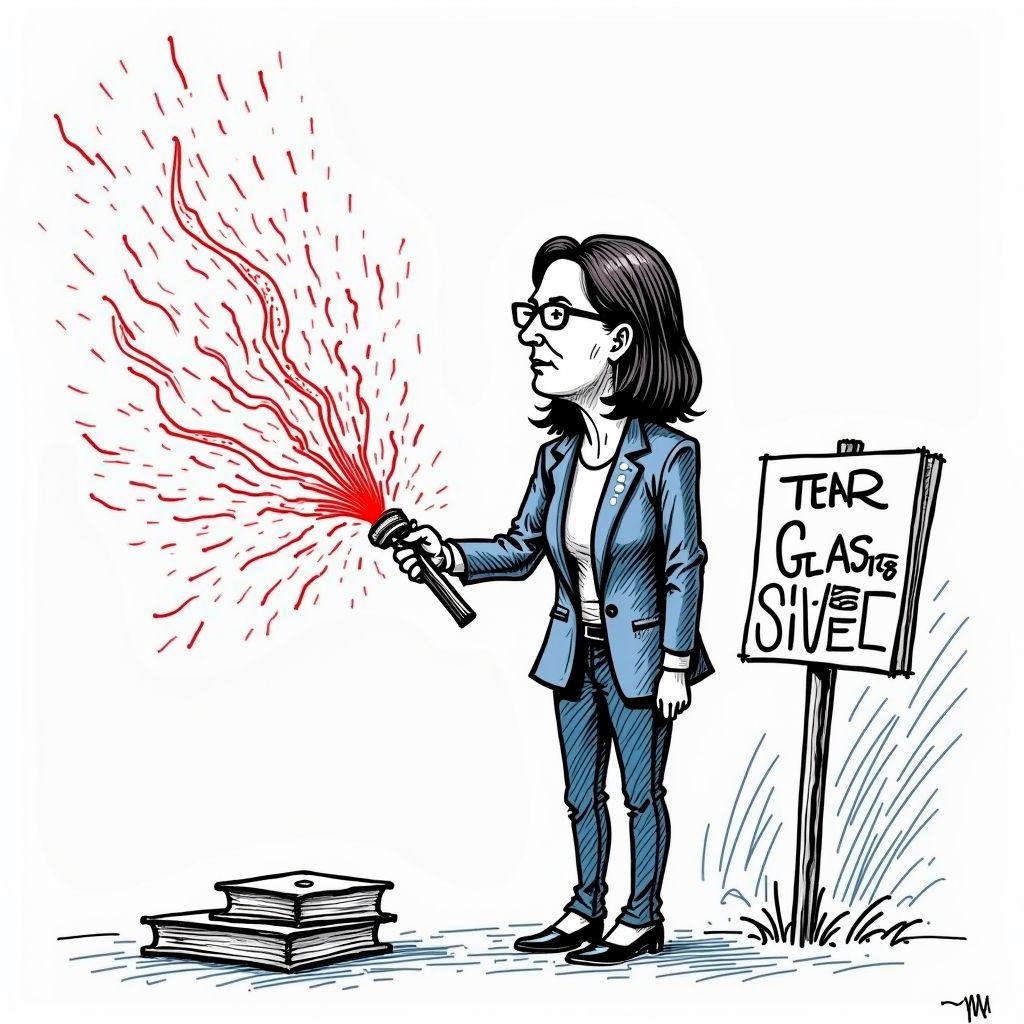
On Friday, January 16, 2026, U.S. District Judge Kate Menendez issued a preliminary injunction prohibiting federal agents in Minneapolis from using tear gas, pepper spray, or physical force against peaceful protesters. This ruling, stemming from a lawsuit filed by local activists, directly challenges the tactical conduct of ICE and Border Patrol agents during “Operation Metro Surge,” an ongoing immigration enforcement campaign. The court specifically rejected Department of Homeland Security arguments that such measures were necessary for officer safety, affirming that observing law enforcement from a safe distance does not constitute obstruction. This legal decision follows weeks of escalating tensions and the fatal shooting of Renee Good by an agent on January 7, highlighting the intensifying conflict between federal enforcement mandates and civil liberties in the Twin Cities.
Judicial Constraints on Federal Authority
The preliminary injunction, issued late Friday, explicitly bars federal agents from arresting, detaining, or deploying chemical irritants like pepper spray and tear gas against individuals engaged in peaceful protest or observation [2][7]. Judge Menendez ruled that simply following agents at a “safe distance” does not create reasonable suspicion to justify vehicle stops or detention [1][5]. This legal intervention targets the operational tactics of the Trump administration’s “Operation Metro Surge,” which deployed over 2,000 Homeland Security officials to the region beginning December 4, 2025 [3][4]. The lawsuit, filed by the ACLU on behalf of six protesters in December, names Homeland Security Secretary Kristi Noem and Acting ICE Director Todd Lyons as defendants, alleging a pattern of constitutional violations including having firearms pointed at observers [4].
Escalating Violence and Political Fallout
The court’s decision arrives amidst a volatile atmosphere in Minneapolis, punctuated by the January 7 fatal shooting of 37-year-old Renee Good by an ICE agent [1][2]. Tensions have continued to mount; on January 14, an ICE officer was seriously injured during a traffic stop involving three undocumented immigrants, and a federal officer shot a Venezuelan man during a separate incident that same day [4][5]. Following these events, federal immigration officers confronted protesters outside the Bishop Henry Whipple Federal Building on January 15 [5]. In response to the unrest, President Trump stated on Thursday that he is prepared to invoke the Insurrection Act if local leadership fails to manage the situation [4].
State versus Federal Jurisdictional Clash
The conflict has widened beyond street-level confrontations to a significant intergovernmental dispute. On January 10, federal prosecutors issued grand jury subpoenas to Minnesota Governor Tim Walz and Minneapolis Mayor Jacob Frey, investigating potential violations of federal law [3]. Governor Walz condemned the move as an “authoritarian tactic,” accusing the administration of “weaponizing the justice system” against political opponents [3]. While Judge Menendez denied a separate request from the state and cities for an immediate temporary restraining order on January 14, she emphasized the enormous importance of the issues raised and has ordered both parties to submit further briefs in the coming week [1]. Meanwhile, DHS Assistant Secretary Tricia McLaughlin defended the agency’s actions, asserting that obstructing law enforcement is a federal crime and that the department is taking “appropriate and constitutional measures” to protect officers from “dangerous rioters” [1][3].
Sources
- apnews.com
- www.nytimes.com
- www.politico.com
- www.nbcnews.com
- www.foxnews.com
- www.washingtonpost.com
- www.bloomberg.com