El Salvador Deploys Thousands of Soldiers to Haiti in Unprecedented Foreign Military Operation
Port-au-Prince, Saturday, 14 November 2026.
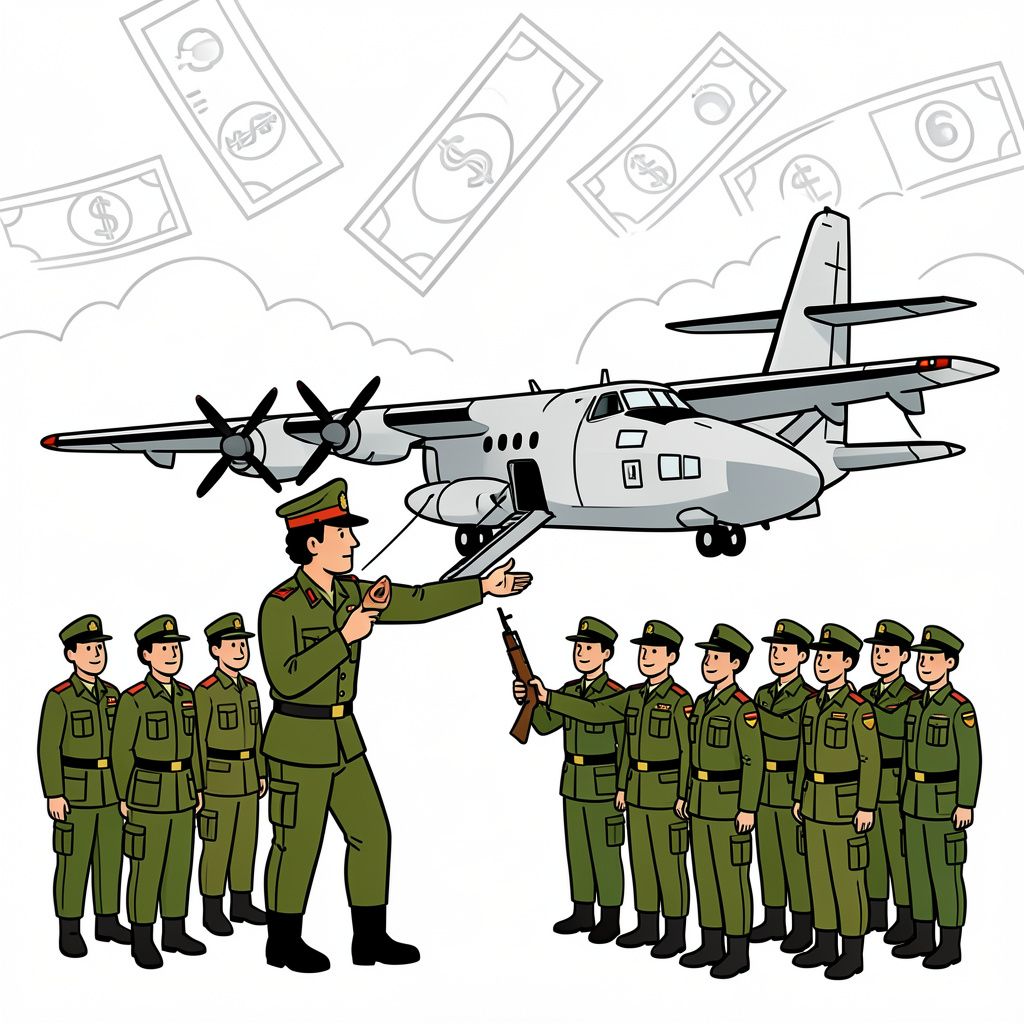
Nayib Bukele deployed 2,500 troops and launched airstrikes in Haiti outside UN oversight following troop abductions, projecting his severe anti-gang model abroad while raising urgent international human rights concerns.
El Salvador’s Strategic Gambit: Projecting Power Beyond Borders
On October 18, 2026, four Salvadoran military personnel assigned to a U.N.-backed mission in Haiti were abducted during a gang ambush near Port-au-Prince, triggering a rapid and unprecedented response from El Salvador’s President Nayib Bukele [3]. Within weeks, El Salvador deployed approximately 2,500 troops and special forces to Haiti, alongside helicopter airstrikes targeting gang strongholds, including the headquarters of the 400 Mawozo gang and the residence of its leader, Lanmò San Jou [3][5]. This deployment, announced by Bukele on November 9, 2026, and executed on November 8, 2026, represented a bold expansion of El Salvador’s ‘mano dura’ (iron fist) anti-gang model into Haitian territory, bypassing traditional U.N. oversight frameworks [3][5]. The operation, framed by Bukele as a promise kept, showcased the Salvadoran military’s capabilities but also raised immediate questions about accountability and coordination with existing international missions in Haiti [3][5].
Diplomatic Maneuvering and Regional Implications
The deployment of Salvadoran troops to Haiti is not merely a military operation but a calculated diplomatic maneuver, particularly as El Salvador prepares for presidential elections scheduled for February 2027 [7]. Political strategist Roberto Dubon characterized Bukele’s actions as an ‘electoral campaign to promote Nayib Bukele and portray him as if he’s a superhero,’ suggesting that the Haiti intervention is being leveraged to bolster Bukele’s image domestically [7]. Security consultant Luis Enrique Amaya echoed this sentiment, noting that Bukele must ‘construct this narrative of success (in Haiti) to strengthen his image as president’ [7]. Meanwhile, analysts like Diego Da Rin of the International Crisis Group have warned that the eagerness to secure quick victories in Haiti could entangle civilians in crossfire and potentially unify rival gangs against a common external threat [7]. The Dominican Republic’s President Luis Abinader has urged U.N.-backed forces to coordinate with El Salvador, highlighting the regional stakes involved [7].
Human Rights Concerns and Accountability Gaps
The rapid deployment of Salvadoran forces to Haiti has drawn sharp criticism from human rights organizations, particularly Amnesty International, which has emphasized the lack of transparency and accountability mechanisms governing the mission [2]. Amnesty International’s Americas Director, Ana Piquer, stressed that both the Haitian and Salvadoran governments must ensure that all operations comply with international human rights law, citing the absence of clear rules of engagement and oversight as major concerns [2]. Piquer also highlighted the urgent need for safeguards to protect civilians, especially given the high risks of sexual violence, forced displacement, and further humanitarian crises in Haiti [2][8]. The case of the four missing Salvadoran troops, who remain unaccounted for since their abduction in October 2026, has further underscored the fragility of the operation and the potential for further destabilization [3][5].
Humanitarian Crisis and International Response
Haiti’s ongoing humanitarian crisis has intensified alongside the military operations, with at least 1,167 people killed and 459 injured between July and September 2026 due to gang violence and security force operations [1][8]. The U.N. has documented widespread atrocities, including beheadings, mass shootings, and sexual violence, with over three-quarters of the latter involving gang rape [8]. In response to the escalating violence, G7 foreign ministers issued a joint statement on November 11, 2026, supporting the U.N.-authorized Gang Suppression Force (GSF) and calling for the protection of civilians in all security operations [8]. The G7 also urged increased international financial contributions to the U.N. trust fund financing security operations in Haiti, emphasizing the need for sustained multilateral support [8]. However, the deployment of Salvadoran troops outside the GSF command structure has raised concerns about fragmentation and lack of coordination among international actors [8].
Geopolitical Realignments and Future Prospects
The Salvadoran intervention in Haiti reflects broader geopolitical shifts in the Caribbean Basin, particularly as El Salvador seeks to position itself as a regional leader in security and governance [1]. Bukele’s alignment with former U.S. President Donald Trump, who met with Bukele in March 2026 and oversaw a 98% increase in migrant deportations from the U.S. to El Salvador in early 2026, has further cemented El Salvador’s strategic importance to Washington [1]. However, the mission’s long-term viability remains uncertain, with experts cautioning that Haiti lacks the institutional capacity to replicate El Salvador’s gang suppression model [1]. Romain Le Cour Grandmaison of the Global Initiative Against Transnational Organized Crime noted that Haiti’s paralyzed justice system, emptied prisons, and militia-like criminal groups make it ill-equipped to benefit from such an approach [1]. As the international community grapples with Haiti’s unfolding crisis, the Salvadoran deployment serves as both a test case for regional security cooperation and a cautionary tale about the limits of military solutions in fractured states.
Sources
- www.dw.com
- www.amnestyusa.org
- www.foxnews.com
- www.amnesty.org
- reliefweb.int
- www.instagram.com
- www.borderreport.com
- www.miamiherald.com