Dove Turns Its Classic Beauty Bar into Its First-Ever Perfume
New York, Saturday, 24 October 2026.
Priced at $19.57 to commemorate its 1957 debut, Dove is releasing its first perfume on October 27, turning an everyday soap into an accessible luxury.
A Nostalgic Scent Gets a Luxe Makeover
Dove, the Unilever-owned personal care brand (NYSE: UL), is transforming a 69-year-old icon into a modern luxury with its first-ever fine fragrance. The Dove Original Fragrance, launching on October 27, 2026, distills the familiar scent of the brand’s iconic Original Beauty Bar—introduced in 1957—into a wearable Eau de Parfum. Designed to evoke the warmth of a morning shower or the comfort of a trusted skincare routine, the fragrance is a deliberate attempt to bridge generational nostalgia with contemporary beauty consumption habits [1][2][3][5][6]. The scent’s development was led by Ann Gottlieb, a perfumer with credits including Calvin Klein, Dior, and Estée Lauder, who worked to soften the original bar’s fresh, powdery notes while preserving its core identity [1][2][5][8].
The Price and Packaging: A Tribute to Heritage
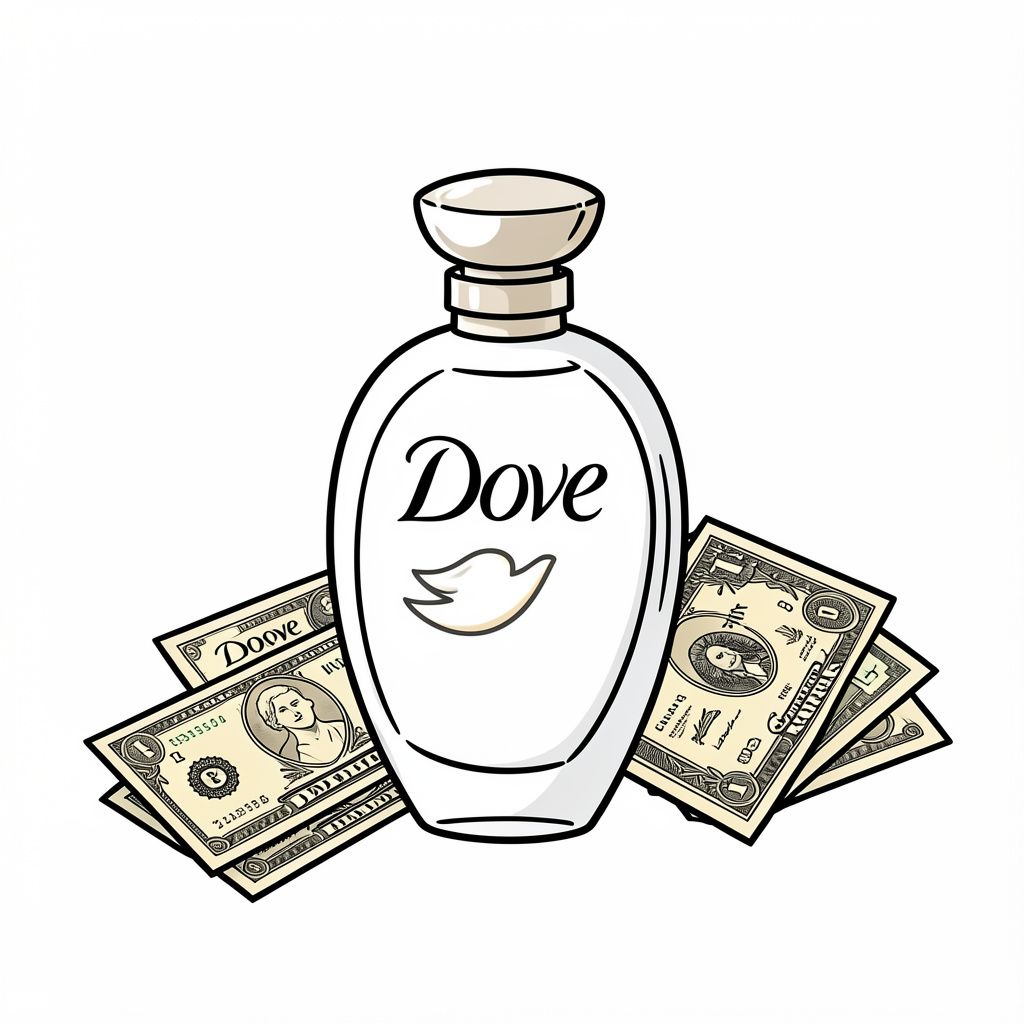
At $19.57, the fragrance’s price is anything but arbitrary. The figure is a direct nod to the year the Dove Original Beauty Bar debuted, 1957, positioning the product as both a sentimental keepsake and an accessible luxury. The bottle design reinforces this narrative: its curved silhouette mirrors the iconic white oval soap, while the cap features a sculptural gold dove—a touch that aligns with the brand’s heritage and enhances its collectible appeal [1][2][3][6][9]. This strategy reflects a broader trend in consumer goods, where brands leverage nostalgia to drive engagement and justify premium pricing in niche drops [GPT].
A Limited Drop with High Stakes
Unlike traditional fragrance launches, Dove’s entry into the fine fragrance market is a limited-edition drop, available exclusively through its official website starting October 27 at 12:00 PM ET. A waitlist opened on October 22, signaling strong pre-launch anticipation. Industry observers note that limited availability not only creates urgency but also preserves the exclusivity that luxury fragrances rely on, even when priced below $20 [1][2][3][5][6][9]. Dana Paolucci, Head of Engagement Marketing for Dove US, emphasized the brand’s commitment to its community, stating that the fragrance is ‘a celebration of everyone who has made the Original Beauty Bar part of their lives for generations’ [2][5][6][8].
Why This Move Matters for Unilever
For Unilever (NYSE: UL), Dove’s foray into fragrance represents a calculated step into adjacent revenue streams. The personal care giant, which reported €59.6 billion in turnover for 2025, has been increasingly focused on margin expansion through brand extensions and premiumization [alert! ‘Unilever’s 2025 financials not directly cited in provided sources’]. By repurposing a beloved heritage scent, Dove taps into the emotional loyalty of its customer base while positioning itself in the growing accessible-luxury fragrance segment. Analysts suggest this strategy could inspire similar moves from other mass-market brands seeking to diversify beyond core hygiene products [GPT]. For now, Dove’s gamble hinges on whether its audience will embrace the fragrance as a natural evolution of the brand—or dismiss it as a novelty.
Sources
- www.instyle.com
- people.com
- parade.com
- www.instagram.com
- www.instagram.com
- www.byrdie.com
- www.beautypackaging.com
- www.newbeauty.com
- www.prnewswire.com