Terror Investigation Confirms Islamic State Ideology in Bondi Beach Massacre
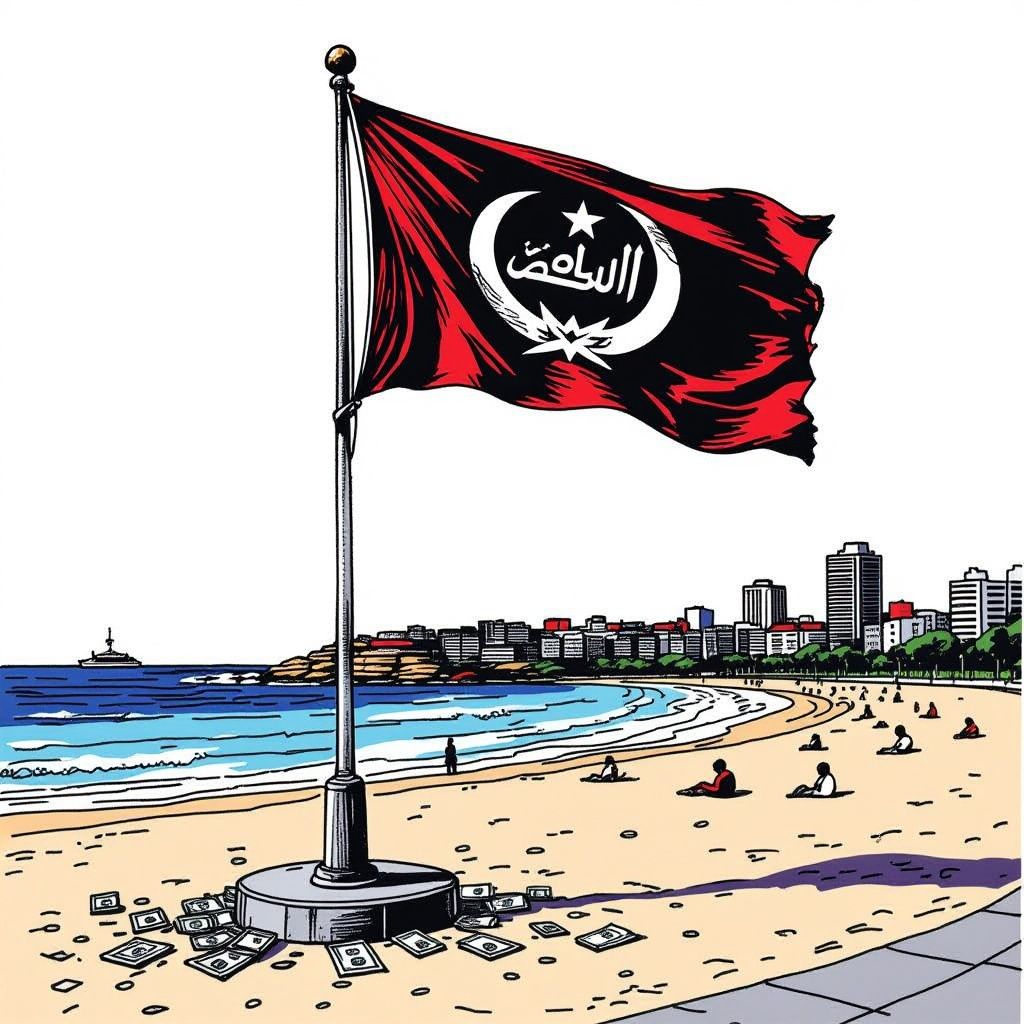
Sydney, Tuesday, 16 December 2025.
Authorities confirmed Islamic State ideology drove the massacre claiming 15 lives, including a Holocaust survivor, triggering an immediate government pledge to further tighten the nation’s firearm regulations.
Terror Designation and Suspect Identification
Following initial reports of the attack on the “Chanukah by the Sea” celebration—which can be reviewed in our previous coverage here—Australian officials have formally reclassified the incident. On Tuesday, December 16, Australian Federal Police Commissioner Krissy Barrett declared the mass shooting a “terrorist attack inspired by Islamic State” [1]. This conclusion is supported by material evidence; Prime Minister Anthony Albanese confirmed the discovery of Islamic State flags within the vehicle seized from the perpetrators [1]. The investigation has identified the gunmen as a father and son duo: 50-year-old Sajid Akram, who was killed during the police response, and 24-year-old Naveed Akram, who remains hospitalized [1][2].
Premeditation and Intelligence History
Emerging details suggest the violence was the culmination of long-term radicalization and planning. Authorities established that both suspects traveled to Davao in the Philippines between November 1 and November 28, 2025, where they allegedly underwent “military-style training” [2]. While Sajid Akram had been a resident since 1998, his son Naveed was not unknown to intelligence services; in 2019, the Australian Security Intelligence Agency investigated him for six months regarding potential links to a Sydney-based Islamic State cell [3]. This intelligence background raises significant questions about the monitoring of known extremists prior to the December 14 attack.
Victims and Acts of Heroism
The confirmed death toll has risen to 15, with victims including a 10-year-old girl, a rabbi, and a Holocaust survivor, underscoring the indiscriminate brutality of the assault on the Jewish festival [2][3]. As of December 16, 25 individuals remain hospitalized, including three children [1]. Amidst the devastation, accounts of civilian bravery have surfaced. Ahmed al Ahmed, a 42-year-old fruit shop owner, was shot in the shoulder while tackling and disarming one of the assailants, an intervention that likely prevented further casualties [1][3].
Community Response and Officer Status
The Australian public has responded with a historic mobilization of support. On December 15 alone, Lifeblood recorded nearly 50,000 blood donation appointments, a figure more than double the previous daily record [1]. First responders also paid a heavy price; the NSW Police Force reported that Constable Scott Dyson, an officer with the Eastern Suburbs Police Area Command for 18 months, remains in serious but stable condition following the engagement [4]. Families of the injured officers have expressed gratitude for the community’s support while requesting privacy during the recovery process [4].
Legislative Consequences
The attack has triggered an immediate political pivot toward tighter security measures. Prime Minister Albanese has announced plans to present stricter gun control legislation to the national cabinet, specifically proposing limits on the number of firearms licensed to individuals and mandating regular license reviews [2]. This legislative review draws direct parallels to the government’s response to the 1996 Port Arthur massacre, signaling a potential overhaul of Australia’s already rigorous firearm regulations [1][3].