Washington Overhauls Nuclear Regulations to Accelerate Domestic Energy Production
Washington, D.C., Friday, 20 March 2026.
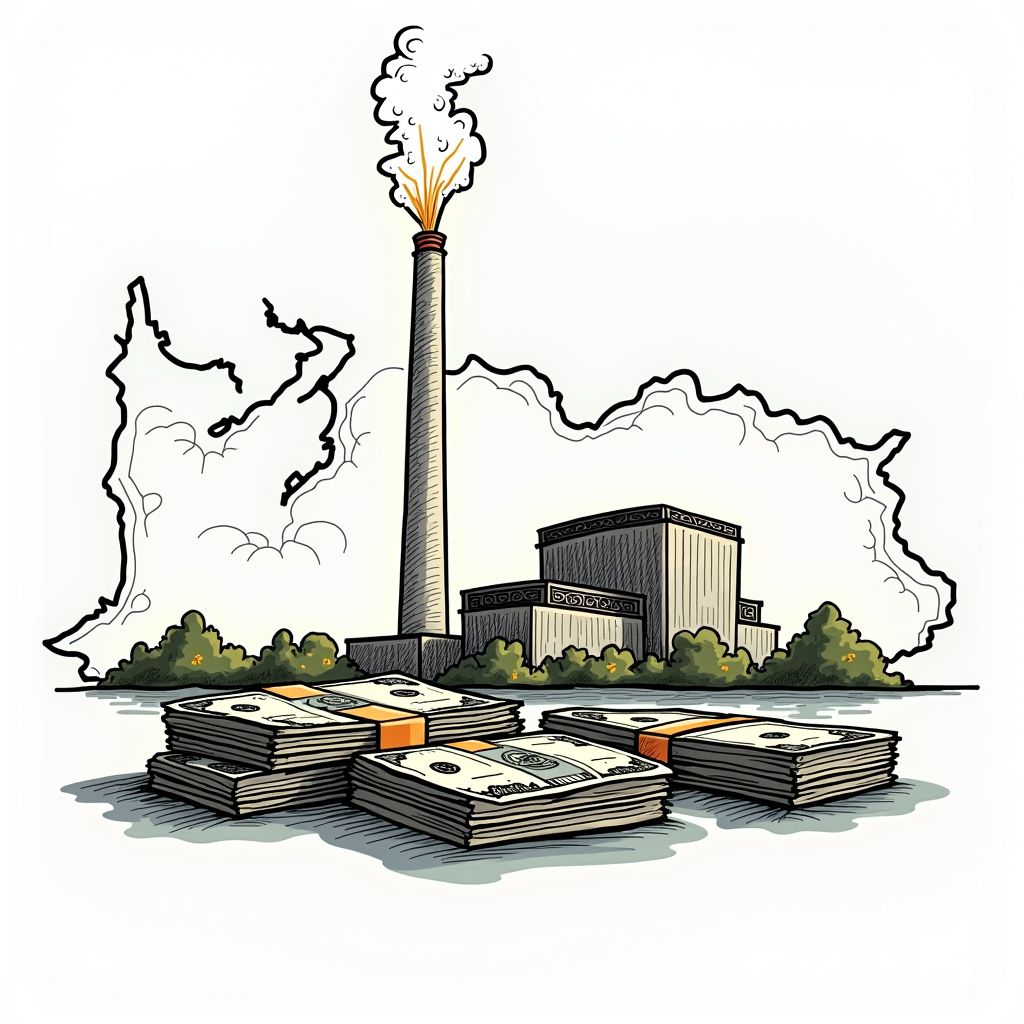
Washington is rapidly deregulating the nuclear sector to accelerate energy development. This sweeping overhaul, including proposed higher radiation limits, presents immediate expansion opportunities alongside long-term compliance debates.
The Silicon Valley Integration and DOGE’s Mandate
Since Republican President Donald Trump took office for his second term, the administration has moved aggressively to reshape the nation’s nuclear energy landscape, driven heavily by Silicon Valley venture capitalists and the newly formed Department of Government Efficiency (DOGE) [1]. Prominent technology investors and Trump supporters, including Peter Thiel and Marc Andreessen, have been instrumental in this push, advocating for deregulation to support the mass production of smaller, advanced reactors [1]. Following the 2024 election, Andreessen assisted in staffing decisions, while Thiel vetted candidates for the Office of Nuclear Energy [1]. By the summer of 2025, DOGE operatives, including 31-year-old lawyer Seth Cohen, began integrating directly into the Nuclear Regulatory Commission (NRC) to revamp regulations and ease industry restrictions [1].
Restructuring the Nuclear Regulatory Commission
The push for deregulation builds upon a bipartisan legislative foundation laid during the previous administration. In 2024, Democratic President Joe Biden signed the ADVANCE Act, which altered the NRC’s mission statement to ensure the agency “does not unnecessarily limit” the development of nuclear energy [1]. However, the Trump administration has accelerated this mandate significantly through executive orders signed four months into his second term, which directed the NRC to reduce its workforce, expedite reactor approvals, and rewrite safety rules [1]. The administration’s approach to the independent agency has been forceful; in June 2025, President Trump fired NRC Commissioner Christopher Hanson after Hanson publicly defended the agency’s independence [1].
Redefining Safety and Radiation Standards
Central to the administration’s strategy is the systematic dismantling of legacy safety frameworks that industry advocates argue are outdated for modern, smaller reactor designs [1]. Currently, the DOE is considering a fivefold increase in public radiation exposure limits and has made the controversial decision to abandon the long-standing “As Low As Reasonably Achievable” (ALARA) radiation protection principle [1]. Internal DOE documents justify these changes using an Idaho National Laboratory report that was notably compiled with the assistance of the artificial intelligence assistant Claude [1]. Seth Cohen is actively pushing to increase legal radiation emission limits, a regulatory rollback that Valar Atomics CEO Isaiah Taylor supports, as it could reduce shielding costs by $1 million to $2 million per reactor [1].
Immediate Market Opportunities and Looming Risks
For the U.S. energy sector, which has seen only three new reactors completed in the last 25 years—an average of just 0.12 reactors per year—this deregulatory environment presents an unprecedented growth opportunity [1]. Currently, nuclear power supplies about 20 percent of U.S. energy [1]. The NRC anticipates receiving over two dozen new license requests from small modular and advanced reactor companies in the coming years [1]. The administration has set aggressive timelines, hoping that some companies will achieve criticality—the point at which a nuclear reactor sustains a stable, self-supporting fission chain reaction [GPT]—by July 2026 [alert! ‘It is highly uncertain if any advanced commercial reactors can realistically meet this accelerated July 2026 timeline given standard engineering and construction constraints’] [1].