Over 770,000 Children Lose Food Assistance as Promises Fall Short
Washington D.C., Wednesday, 17 June 2026.
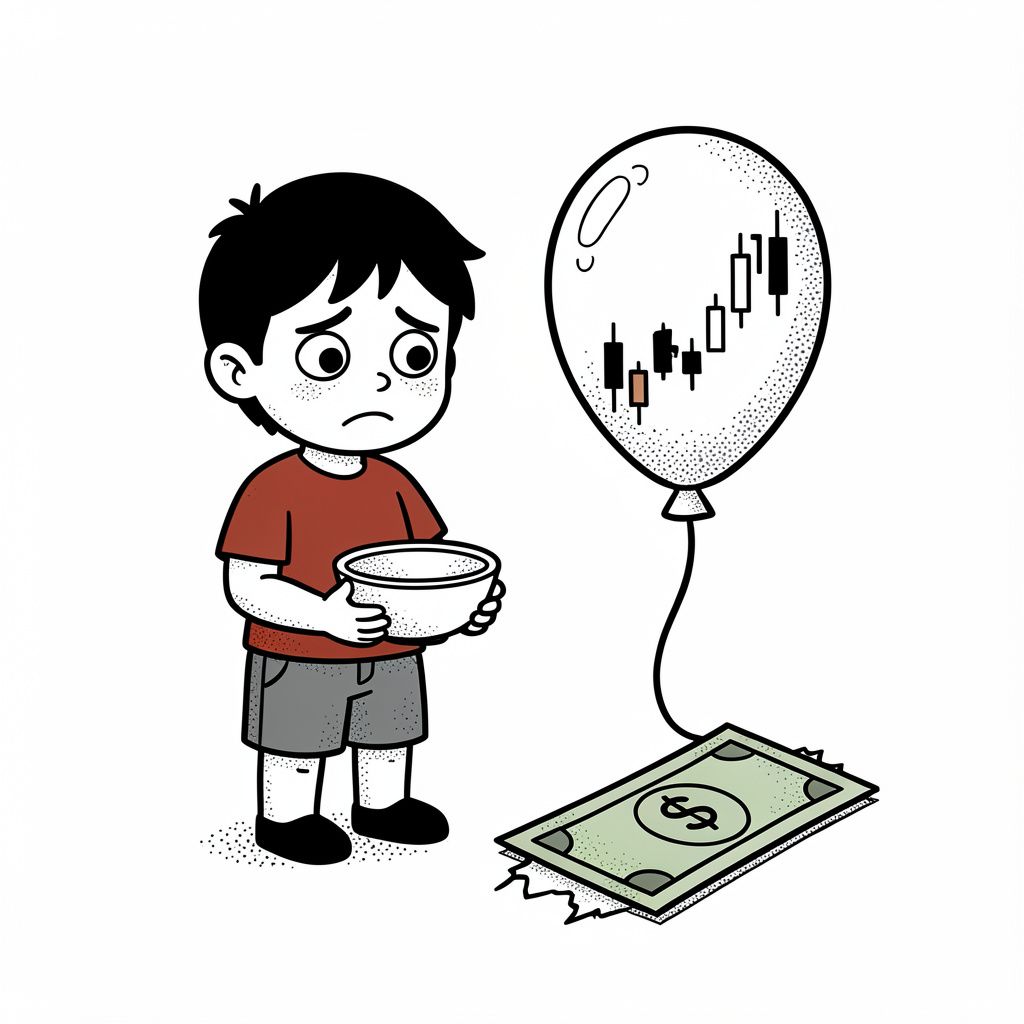
A staggering 776,134 children have been cut from SNAP benefits since 2025, despite Republican assurances that reforms wouldn’t harm vulnerable families. Arizona alone saw a 55% drop in child recipients, while food banks report a 15% surge in demand. Critics warn the policy shift deepens food insecurity, with long-term consequences for public health and local economies.
The Policy Shift: Republican Reforms and Broken Promises
The Supplemental Nutrition Assistance Program (SNAP) reforms, signed into law in 2025 as part of former President Donald Trump’s domestic agenda, were marketed by Republican lawmakers as a way to ‘restore integrity’ to the food assistance program without harming vulnerable populations [1]. Key sponsors, including Rep. Glenn ‘GT’ Thompson (R-PA), Rep. John Rose (R-TN), and Rep. Dusty Johnson (R-SD), repeatedly assured that children and other at-risk groups would remain protected [1]. These promises have proven hollow. As of May 2026, at least 776,134 children have lost SNAP benefits nationwide, representing 46% of the 1,670,011 total beneficiaries cut from the program [1]. The Center on Budget and Policy Priorities (CBPP) confirms that approximately 700,000 fewer children are now receiving SNAP compared to the same period last year [1].
State-Level Fallout: Arizona and Louisiana Hit Hardest
The impact of the SNAP reforms has been uneven but devastating in some states. Arizona has seen the most dramatic reduction, with 205,223 children losing benefits since July 2025—a 55% drop in child SNAP recipients [1]. Louisiana follows with a 22% decline in child beneficiaries [1]. These cuts come as states face new financial burdens under the reform package. Beginning in October 2026, states will be required to cover 75% of SNAP administrative costs, up from 50% previously [1]. By October 2027, states with higher error rates in benefit distribution will face additional financial penalties, further straining already overburdened systems [1]. The U.S. Department of Agriculture (USDA) defines error rates as overpayments or underpayments, most of which are unintentional and often result from complex application processes [1].
Administrative Chaos and Human Costs
The policy changes have triggered widespread administrative disruptions. In Massachusetts, the Department of Transitional Assistance (DTA) reported a sharp increase in failed call attempts to its assistance hotline, rising from 61% in November 2025 to 81% in March 2026 [1]. Katie Bergh, Senior Policy Analyst at CBPP, warned that ‘families are falling through the cracks’ as bureaucratic hurdles multiply [1]. The human impact is stark. Ana Alvarez, a single mother of five in Phoenix, lost her SNAP benefits in September 2025. Despite reapplying in December 2025, her application remains pending as of June 2026 [1]. Her story is not unique. St. Mary’s Food Bank in Arizona has seen a 15% increase in demand in 2026, with 300,000 more visits compared to the previous year [1]. Milt Liu, CEO of St. Mary’s Food Bank, stated, ‘It’s important for everyone to realize that policies have implications for people on the edge, and we’re seeing that in our line every day’ [1].
Economic and Public Health Consequences
The reduction in SNAP participation extends beyond individual families. Nationwide, SNAP enrollment fell by 4.3 million between February 2025 and February 2026, leaving only 37.8 million participants in the program [1]. This decline is expected to have ripple effects across local economies. Grocery retailers, particularly in low-income neighborhoods, may see reduced sales, while food banks face unprecedented demand [1]. Public health experts warn of long-term consequences. Mariana Chilton, an expert in child hunger at UMass Amherst, emphasized that ‘when children are not healthy, this affects children today and it affects them throughout their lifetimes’ [1]. The cuts also undermine efforts to combat food insecurity, which has been linked to higher rates of chronic diseases, developmental delays, and reduced academic performance in children [GPT].
Political Reckoning: Defenders and Critics Clash Over Reform
The SNAP reforms have become a flashpoint in the broader debate over welfare policy. Proponents argue that the changes are necessary to reduce fraud and ensure program sustainability. A USDA spokesperson stated, ‘There is no shortage of resources for the most vulnerable among us, including children’ [1]. However, critics, including Rep. Jim McGovern (D-MA), have condemned the policy as a direct attack on working-class families. McGovern argued, ‘These are people who actually need and rely on this food assistance to provide basic nutrition for their families’ [1]. Food economist Parke Wilde of Tufts University offered a blunt assessment: ‘When they say we want to preserve SNAP for those with the greatest need, they’re sort of acknowledging that they want the scale of the SNAP program to be smaller’ [1]. The debate underscores a fundamental divide over the role of government in addressing poverty and food insecurity.
What Comes Next: Legal Challenges and Advocacy Efforts
As the fallout from the SNAP reforms continues, legal and advocacy groups are mobilizing. The American Civil Liberties Union (ACLU) and other organizations are exploring lawsuits to challenge the policy changes, arguing that they disproportionately harm children and violate federal welfare laws [alert! ‘No specific lawsuit filed as of 17 June 2026’]. Meanwhile, food banks and community organizations are bracing for increased demand. In Arizona, St. Mary’s Food Bank has launched an emergency fundraising campaign to address the 15% surge in visitors [1]. Advocates are also pushing for legislative action. Democratic lawmakers have introduced bills in Congress to reverse the SNAP cuts and restore benefits to affected families, though these efforts face significant opposition in the Republican-controlled House [alert! ‘No bill has passed as of 17 June 2026’]. The coming months will be critical in determining whether the policy remains in place or faces rollback.