Boston Real Estate Investment Pauses Amid Rent Control Concerns
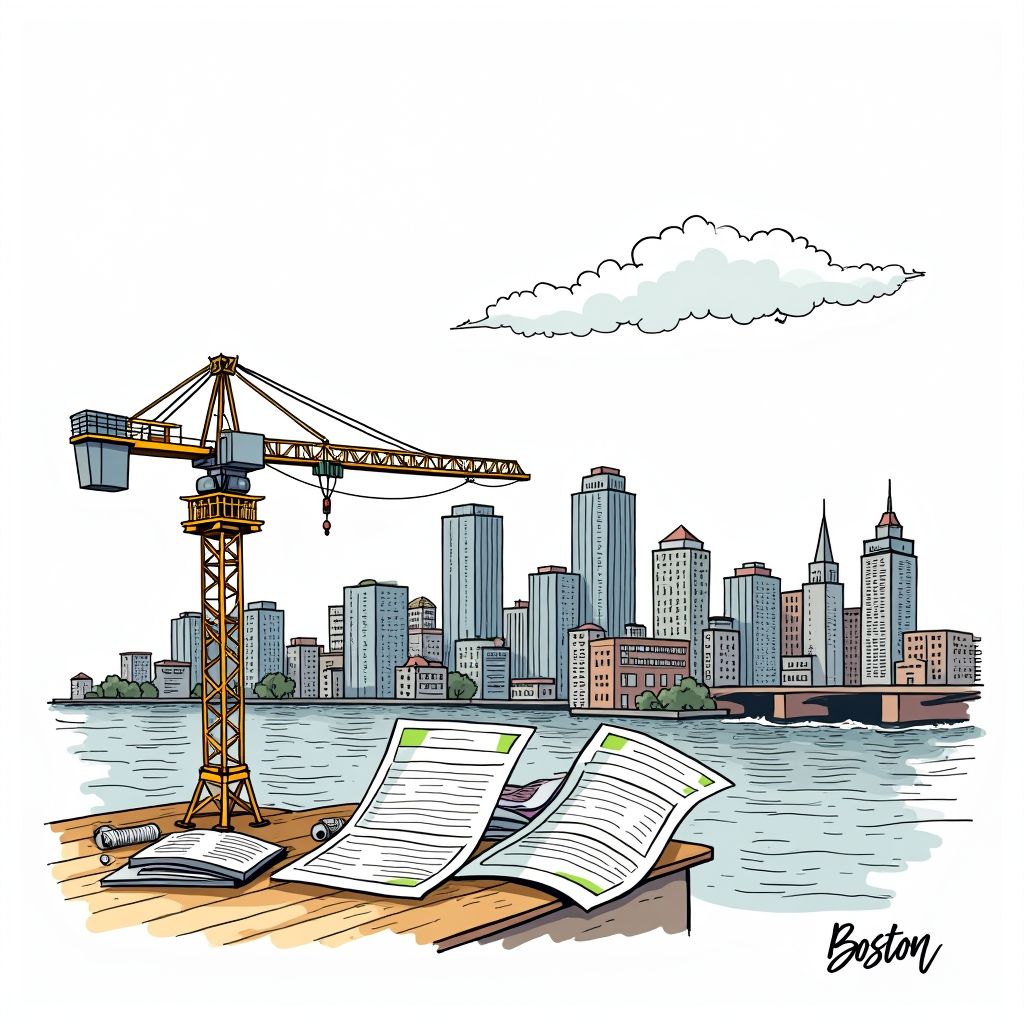
Boston, Monday, 2 March 2026.
A major real estate investor is halting new Boston projects, managing $10 billion in assets. Citing policy uncertainties like rent control, they are diverting funds elsewhere, impacting Boston’s development.
Investor’s Concerns
Jeff Kanne, CEO of National Real Estate Advisors, is pausing investments in Boston, citing concerns over Mayor Michelle Wu’s policies and a potential rent control ballot question in November 2026 [1]. National Real Estate Advisors manages approximately $10 billion for about 120 institutional clients and is evaluating opportunities in 20 markets [1][2]. Kanne’s concerns include project approval times, energy efficiency standards, and affordable housing set-asides, which he believes make it harder to secure financial returns [1][2].
Rent Control Debate
The debate over rent control in Massachusetts is intensifying as a statewide ballot question in November 2026 proposes capping annual rent increases at 5% [7]. Rent control has been banned in Massachusetts since 1994 [7]. Mayor Michelle Wu supports the ballot question, while Governor Maura Healey opposes it [7]. Alexander von Hoffman, a lecturer in urban planning at Harvard Graduate School of Design, defines rent control as a strict cap on rents, potentially a rent freeze, while rent stabilization uses a formula for increases [7].
Impact on Development
Kanne’s decision to pause investments could impact Boston’s development pipeline [1]. He points to Montgomery County, Maryland, where rent control was enacted in 2024, as an example of how rent control can negatively impact housing production [1]. In the first eight months of 2024, Montgomery County issued 2,093 multifamily building permits, but in the same period in 2025, it issued only 54 permits [1]. Kanne stated, “If you want to kill housing production, put rent control in place, and you’ll lose investors like me who will go somewhere else” [1].
City’s Perspective
City Hall views the policy changes differently, stating that new energy and affordability requirements were designed to create a more sustainable and affordable city and that the planning process gives residents a voice in development [2]. A city spokesperson acknowledged ongoing conversations with developers about facilitating projects [2]. However, Kanne’s decision reflects a broader trend of investors re-evaluating their footing and opting for cities perceived as more welcoming to development [3].
Sources
- www.bostonglobe.com
- www.filmogaz.com
- www.el-balad.com
- www.connectcre.com
- www.bisnow.com
- www.theglobeandmail.com
- www.wgbh.org