retailers unleash massive tech deals as holiday spending tests record levels
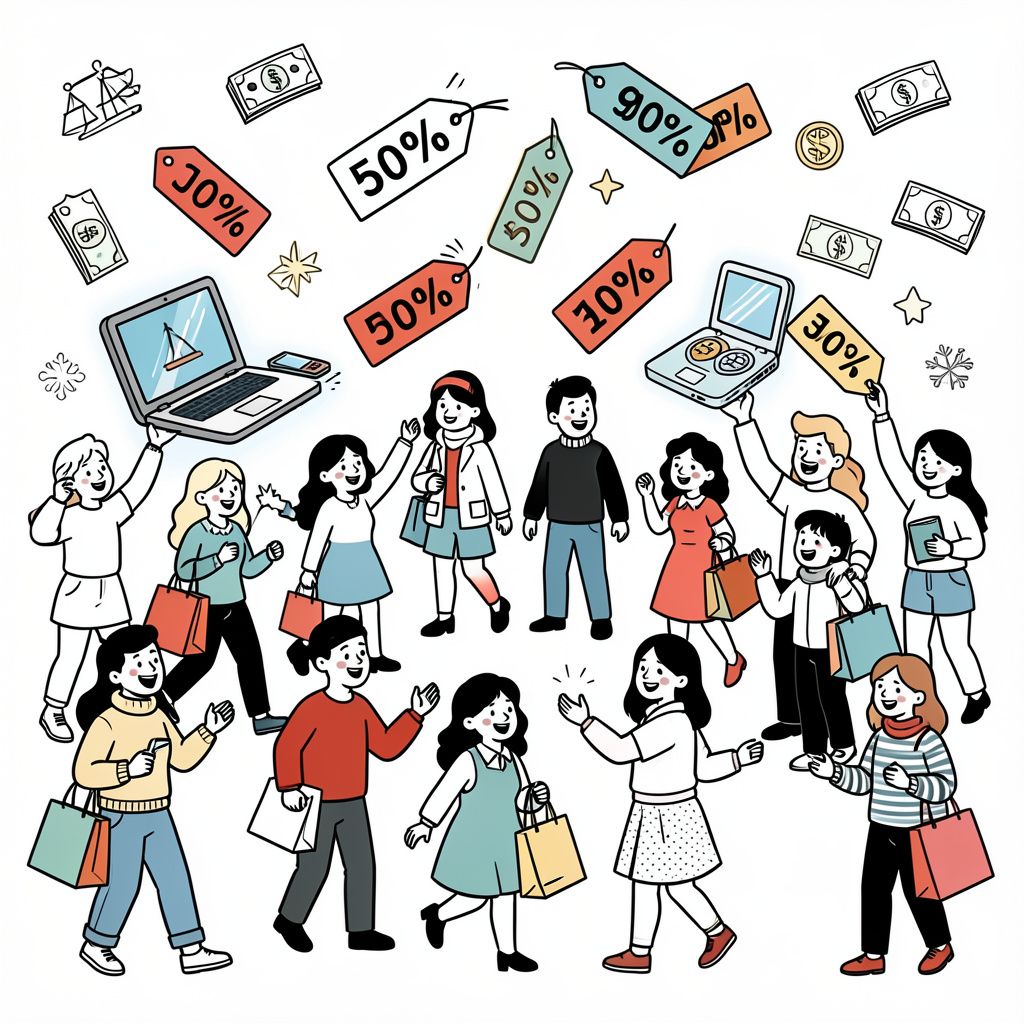
New York, Friday, 27 November 2026. Major United States retailers rolled out aggressive Black Friday electronics discounts on November 27, 2026. Companies including Amazon, Best Buy, and Target slashed prices across popular categories, offering markdowns reaching up to 70 percent. Tech giants also introduced competitive incentives. Samsung discounted flagship hardware by up to $1,000, while Apple launched its annual four-day sales event featuring hardware gift card promotions worth up to $300. The promotional push arrives as the National Retail Federation projects total holiday retail spending will reach $1.01 trillion across November and December, representing a 4.2 percent rise from 2025. Despite record overall figures, economists note that higher prices drive roughly half of this spending growth rather than outright purchase volume. Shoppers face tightened household budgets, prompting buyers to lean heavily on credit cards, utilize buy-now-pay-later plans, and actively seek steep discounts to manage persistent inflation during year-end shopping.
record holiday spending forecast drives retailer urgency
The National Retail Federation projects holiday spending will reach 1.01 trillion, a 3.909% increase over 2025 [3]. Half of this growth reflects higher prices rather than increased volume, with consumers trading down to lower-priced brands and leaning on credit cards or buy-now-pay-later plans [3]. The forecast was issued in October 2026, setting the stage for aggressive discounting across electronics and other categories.
electronics discounts target inflation-wary shoppers
Retailers launched steep discounts on tech ahead of Black Friday, with markdowns reaching 70% on select products [1]. Samsung reduced flagship hardware by up to $1,000, while Apple’s four-day event offers gift cards worth up to $300 with eligible purchases [2]. These promotions aim to offset inflation pressures by making high-demand items more accessible to budget-conscious consumers.
credit reliance raises financial stability concerns
Federal Reserve research shows consumers increasingly rely on credit cards and buy-now-pay-later plans, even for everyday expenses like groceries and rent [3]. Analysts warn this reliance could strain household budgets further, potentially leading to higher delinquency rates if spending growth slows. Retailers’ heavy discounting may temporarily ease pressure but risks exacerbating post-holiday debt cycles.