federal judge condemns white house over weaponized justice department prosecutions
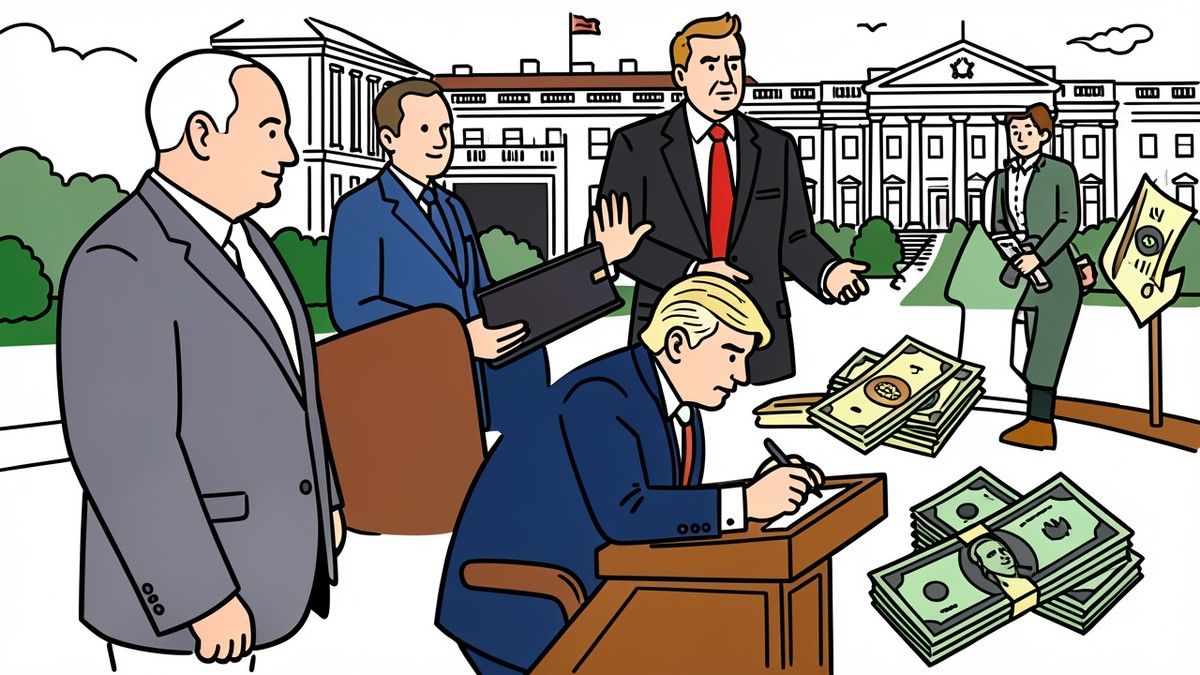
Washington, Saturday, 28 November 2026. U.S. Magistrate Judge Zia Faruqui issued a scathing 48-page opinion dismissing criminal charges against former FBI officials Nikki Floris and Bradley Benavides, accusing the Trump administration of weaponizing federal law enforcement. Faruqui ruled that prosecutors failed to show probable cause after rushing the case to appease President Donald Trump and sway midterm elections. The prosecution followed a primetime presidential address and directives from FBI Director Kash Patel targeting the bureau’s former personnel. Faruqui warned that executive pressure has placed unprecedented strain on institutional norms, leaving current bureau personnel afraid of facing prosecution over political disputes. Comparing the administration’s conduct to a horror movie villain, Faruqui wrote that the true threat is emerging directly from inside the White House. The decision marks a significant judicial check on executive authority as courts continue to challenge politically driven federal actions.
judge’s ruling targets trump-era prosecutions
U.S. Magistrate Judge Zia Faruqui dismissed criminal charges against former FBI officials Nikki Floris and Bradley Benavides, ruling the prosecution lacked probable cause and was rushed to appease President Donald Trump ahead of the 2026 midterms [1]. Faruqui’s 48-page opinion accused the Justice Department of weaponizing law enforcement, declaring the administration treated such tactics like a ‘horror movie villain’ before turning the threat inward [1]. The judge warned current FBI personnel they were ‘one tweet away from prosecution,’ citing unchecked executive pressure on federal agencies [1].
fbi director’s role in politically driven case
FBI Director Kash Patel assigned the investigation into Floris and Benavides the day after Trump’s primetime address demanding prosecutions related to the Foreign Influence Task Force [1]. Faruqui’s opinion linked Patel’s directive to broader efforts to appease the White House, framing the case as part of a pattern of politicized prosecutions [1]. The ruling underscored concerns that Trump’s second term has intensified executive interference in law enforcement, straining institutional norms [1].
white house dismisses judicial criticism
A White House spokesperson dismissed Faruqui’s ruling as ‘just another activist judge’s attempt to thwart President Trump’s agenda,’ echoing earlier attacks on courts blocking executive orders [3]. The administration has framed such rulings as illegitimate interference, despite Faruqui’s detailed legal reasoning [1][3]. Critics argue this rhetoric further erodes public trust in judicial independence amid a surge in politically charged litigation [background corroboration].
concurrent ruling blocks birthright citizenship order
On November 28, U.S. District Judge Christopher R. Cooper blocked Trump’s Executive Order 14418, which sought to restrict birthright citizenship for children of foreign government employees and surrogacy-born infants [3]. Cooper ruled the order unlawfully carved exceptions to the 14th Amendment’s Citizenship Clause, calling it a ‘blatant violation’ of constitutional protections [3]. The injunction applies nationwide, complicating Trump’s broader immigration enforcement strategy [3].
escalating judicial pushback on executive overreach
Faruqui’s opinion and Cooper’s injunction reflect a growing trend of federal judges challenging Trump’s second-term policies, including 75% of shadow docket rulings favoring the administration despite lower-court objections [background corroboration]. The Supreme Court’s passive role has emboldened district judges to assert boundaries, with some calling for clearer guidance on emergency orders [background corroboration]. Trump’s repeated attacks on ‘weaponized’ law enforcement now face scrutiny from within his own appointees’ rulings.