Oregon Faces Severe Economic Threats as 2026 Wildfire Season Begins
Portland, Sunday, 24 May 2026.
As Oregon’s 2026 wildfire season begins amid severe droughts, looming supply chain disruptions and unexpected gaps in standard property insurance threaten significant statewide economic fallout.
Drought Declarations and Immediate Economic Vulnerabilities
The economic landscape of Oregon is currently navigating a delicate balance. With the state’s unemployment rate sitting at 5.2% [2], local economies are particularly vulnerable to external shocks [GPT]. As of May 23, 2026, multiple counties across Oregon have already declared drought emergencies, setting the stage for what officials warn will be a severe wildfire season [1]. The Oregon Department of Forestry (ODF) Klamath-Lake District officially marked the beginning of the fire season on Friday, May 22, 2026 [2]. These early declarations signal potential disruptions to regional commerce and upcoming community events, such as the scheduled downtown CityFest on May 30, 2026, and the Keno Community Car Show on June 13, 2026 [2], though their execution remains uncertain [alert! ‘potential cancellation due to evolving wildfire and smoke hazards’].
The Insurance Gap: A Looming Financial Crisis
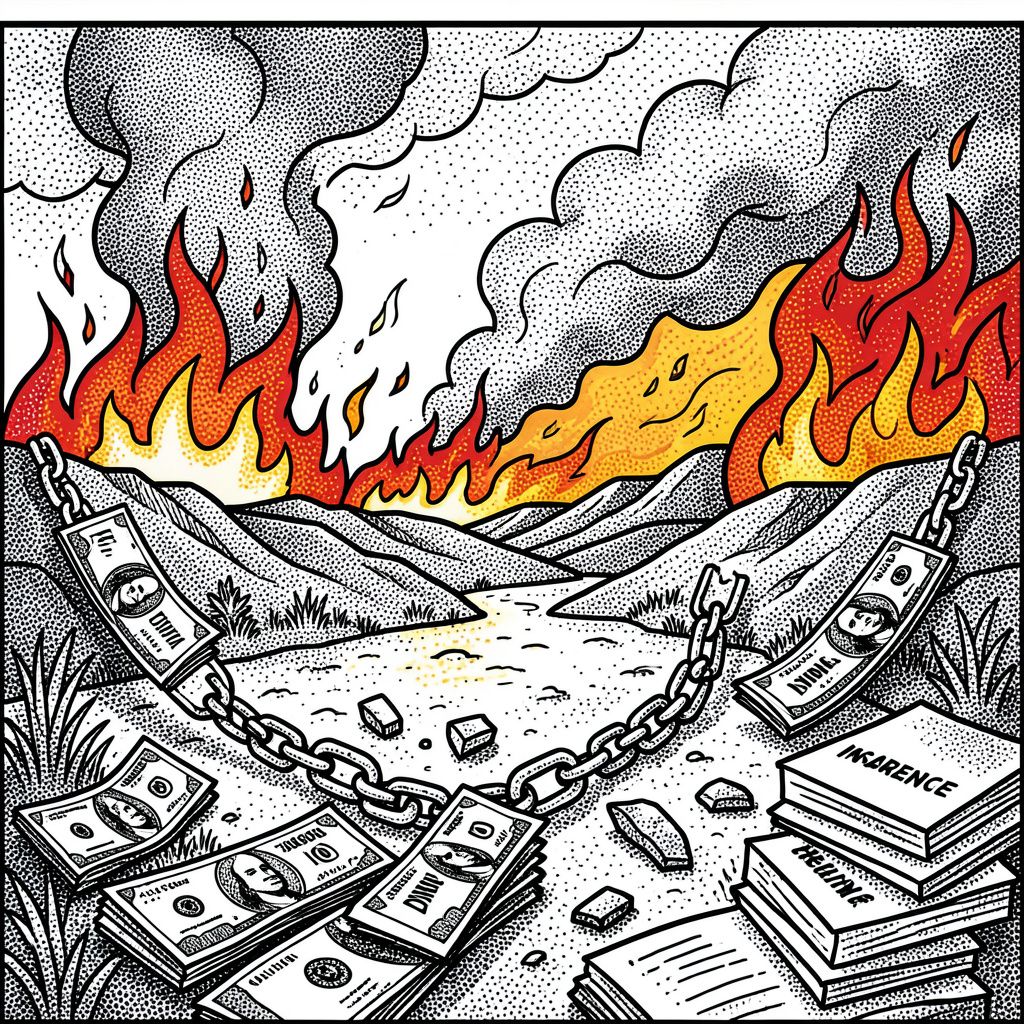
Perhaps the most pressing financial threat to property owners and commercial enterprises is the potential inadequacy of standard property insurance. The Oregon Department of Emergency Management (OEM) has issued urgent advisories that standard homeowner’s insurance policies may not automatically cover wildfire damage [1]. This coverage gap presents a severe financial risk to both residents and the broader real estate market [GPT]. Property owners are strongly encouraged to consult their insurance agents immediately to ensure they possess sufficient coverage before disaster strikes [1]. A failure to secure adequate insurance could lead to devastating out-of-pocket expenses and widespread mortgage defaults if homes and businesses are destroyed [GPT].
Operational Readiness and Supply Chain Resilience
To mitigate operational and personal risks, the OEM mandates strict preparedness protocols. Residents and business owners are advised to assemble “go-bags” containing a three-day supply of water—calculated at one gallon per person per day, totaling 3 gallons per individual—alongside non-perishable food, a seven-day supply of medications, backup power cells, and essential personal documents [1]. Given the potential for infrastructure failures, the OEM also recommends establishing robust communication frameworks, such as a PACE (Primary, Alternate, Contingency, Emergency) plan, and even considering satellite alternatives like Starlink add-ons for mobile phones in the event that traditional cellular service goes down [1].
Navigating Evacuations and Future Outlook
As the 2026 season progresses, logistical planning will be paramount for minimizing economic disruption. Oregon utilizes a strict three-level evacuation system: Level One (BE READY), Level Two (BE SET), and Level Three (GO NOW!) [1]. The OEM emphasizes the necessity of mapping out multiple evacuation routes using tools like TripCheck.com and making advance transportation arrangements, particularly for individuals with disabilities, pets, or agricultural livestock [1]. By proactively addressing these logistical and financial vulnerabilities, Oregon’s communities can better insulate their local economies against the inevitable impacts of the current wildfire season [GPT].