US Becomes Sole Major Market Facing Tourism Decline Amid Stricter Border Policies
Washington, Friday, 20 February 2026.
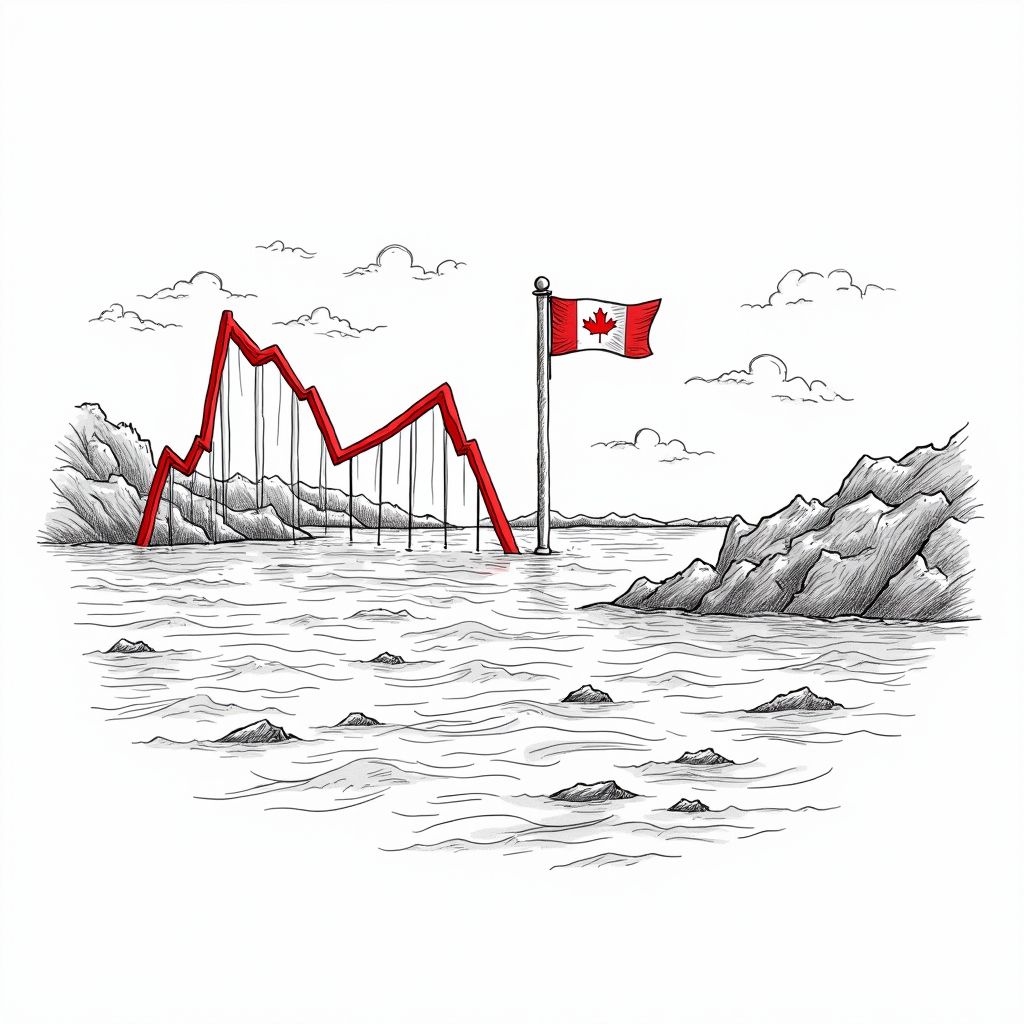
The U.S. stands as the only major destination witnessing a travel contraction, with Canadian visits plummeting 28 percent in January 2026 due to intensified border scrutiny and policy shifts.
Global Outlier in a Booming Market
While the global tourism sector enjoys a resurgence, the United States has emerged as a solitary underperformer. Throughout 2025, the U.S. was the only major international destination to record a decline in traveler numbers, registering a 6 percent drop [1][4]. This downward trajectory has accelerated into early 2026; data for January reveals a 4.8 percent decrease in inbound visitors compared to the same month the previous year [1][4]. The contraction is particularly acute in overseas visitation, which fell by 4.2 percent to just 2.4 million arrivals in January, marking the ninth consecutive month of decline for the sector [5]. Industry analysts point to a combination of higher visa fees, anxiety regarding Immigration and Customs Enforcement (ICE) activities, and unpredictable administration policies as primary drivers for this isolation [1][4].
A Deteriorating Relationship with Canada
The economic impact is most severe regarding Canada, historically the United States’ most critical source of tourism revenue. In January 2026, Canadian visits to the U.S. plummeted by 28 percent compared to January 2024 [1][4]. This steep drop follows a dismal performance in 2025, where the U.S. saw approximately 4 million fewer Canadian visitors than in 2024—a year-over-year decline of 23 percent [7]. This shortfall represents an estimated $4 billion hit to the American economy [7]. The shift appears deeply rooted in geopolitical friction; a recent poll indicates that 58 percent of Canadians no longer view the U.S. as a reliable ally, while 48 percent now consider the U.S. a greater threat to world peace than Russia [7].
Economic Fallout in Major Hubs
The consequences of these diplomatic and policy shifts are rippling through key destination cities like Las Vegas. The Las Vegas Convention and Visitors Authority reported that visitor volume fell to 38,545,700 in 2025, a 7.5 percent decrease from 2024 [3]. This figure highlights a significant stagnation, as visitor numbers have regressed to levels last seen between 2000 and 2003 [3]. When compared to the city’s 2019 peak of 42,523,700 visitors, the local economy is currently missing nearly 4 million annual travelers (3.978 million), impacting hospitality revenue significantly [3]. Steve Hill, president of the LVCVA, has explicitly attributed this downturn to administration decisions regarding international relations, noting that Canadian visitation specifically has dropped between 20 and 50 percent depending on the month [3].
Policy Uncertainty and Future Outlook
Beyond the aggregate data, individual traveler sentiment suggests that reputational damage is actively discouraging high-value tourism. Despite Britain remaining the largest long-haul source market—showing a marginal growth of 0.5 percent—many potential visitors are reconsidering travel due to safety concerns and political rhetoric [1]. For example, families are cancelling high-value vacations, such as a $16,000 trip to Walt Disney World, citing fears over ICE violence and aggressive political commentary [1]. With the U.S. scheduled to host the soccer World Cup this summer, the U.S. Travel Association warns that the continued absence of 11 million international visitors could result in billions of dollars in unrecovered economic activity if entry barriers and negative sentiment persist [4].
Sources
- www.nytimes.com
- www.npr.org
- www.foxnews.com
- www.thedailybeast.com
- skift.com
- www.reddit.com
- www.commondreams.org
- www.facebook.com